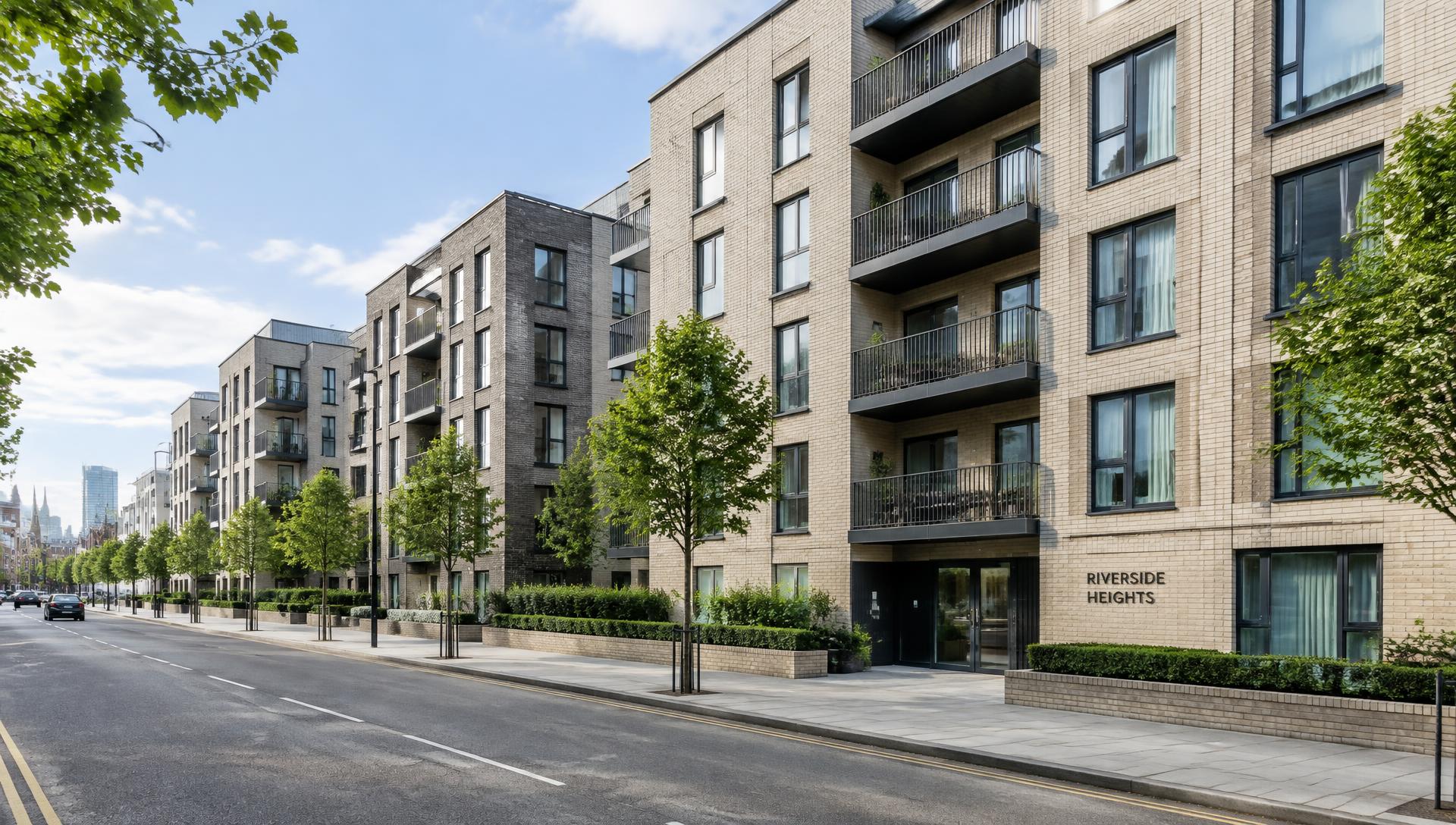
A modern rental apartment building at sunset

Stop insuring tenants. Insure the building.

Every let unit, insured. Certified before completion.

Insurer-backed · Lender-noted · Assignable on sale

Individual cover vs certified stock

Individual coverCovers whoever opted in

Certified stockCovers every let unit

Individual coverTenant applies, pays, finds a co-signer, or is refused

Certified stockNo guarantor required for applicants who meet the acceptance standard. Identity, right-to-rent (England) and referencing stay with the operator, to the insurer's acceptance standard.

Individual coverOperator administers tenancy by tenancy

Certified stockRent roll uploaded, one-click claims

Individual coverNothing to show a bank

Certified stockCertificate noted to the lender, assignable on sale

Individual coverArrears a guess in every appraisal

Certified stockArrears insured, verified quarterly, priced to nil

Individual coverBolt-on excludes risky tenants

Certified stockPriced on the whole mix

Individual coverLapses tenant by tenant

Certified stockRuns for each year the certificate is in force. Annual and renewable, with a three-year option

Whole-asset cover is how buildings insurance works. Certification is the same thing for the rent.
Modern rental buildings around a landscaped courtyard

Who this is for

  1. 1

    New-build PBSA

    International intake

  2. 2

    BTR and co-living

    In lease-up

  3. 3

    Owner-operated PBSA

  4. 4

    Institutional BTR

  5. 5

    PRS portfolios

    Via agencies

What certification is worth

Where the charge is recovered in rent: breaks even at £8.25 a week; c. £4.75 a week per unit ahead at £13.

Asset type

Bad debt: 2%

Arrears removed per year
£24,440
2% bad debt assumption → nil — insured
Value released from the arrears allowance
c. £440k
Arrears removed ÷ exit yield
Borrowing released
c. £313k
Arrears removed ÷ (interest cover × borrowing rate)

Carried as an operating cost without recovery, net income falls by £42,770 a year (£67,210 less £24,440 = £42,770). That is a protection cost, like buildings insurance, not a value gain. Value and lending gains apply where the charge is recovered in rent.

Because the arrears allowance in your appraisal goes to nil on certified units.

Indicative — based on your inputs and market defaults.

Lender-ready summary

An AI-written summary of this scenario's net income, value and lending ranges, ready to share with your lender.

Covers non-payment on let units. Not an occupancy or income guarantee.

See the numbers on my stock
A street of modern rental apartment buildings

A group cover on the asset, certified to the owner and the lender, assignable on sale, and funded through rent — not a landlord bolt-on, not a tenant application.

Who pays what

  • Owner carries the charge — c. £13 a week per let unit (5.5% of rent, including insurance tax), invoiced monthly, from the later of tenancy start and binding; units in arrears at binding join once cleared.
  • Owner chooses how to carry it, each year — inside the rent (the tenant sees only "No guarantor required. No rent in advance.") or in the cash flow as a protection cost without recovery. Value and lending gains apply where the charge is recovered in rent.
  • Insurer pays if the tenant doesn't — the owner receives the rent; the insurer recovers from the tenant.
  • For new build, certification and year one sit in the development appraisal and can be capitalised at practical completion.

How it runs

  1. 1Agreement signed
  2. 2Group cover bound on the asset
  3. 3Rent roll uploaded or connected
  4. 4Monthly invoice on let units; claims in one click
  5. 5Statements issued; cover novates on sale

Making it a condition

Note itLenders note the certificate like buildings insurance.

Reward itPrice bad debt to nil in proceeds or margin.

Require itMake it a condition in term sheets and purchase agreements.

See the model clauses